CQC Inspection Checklist: 10 Critical Maintenance Checks Every Residential Home Must Get Right
As a residential home manager, you carry enormous responsibility. Residents rely on safe, comfortable surroundings every single day, something you pride yourself on providing. Yet when an inspection is announced, it can make you suddenly question whether your residential home meets all the required standards. A structured CQC inspection checklist removes uncertainty and protects both residents and your reputation.
Too often, inspections expose maintenance gaps rather than care failings. Fire doors do not close properly. Emergency lighting fails during testing. Water temperatures sit outside safe ranges. These issues are avoidable. A practical CQC inspection checklist ensures your environment reflects the quality of care you provide.
This guide explains the key maintenance areas inspectors review, why they matter, and how to prepare your residential home with confidence.
Why a CQC Inspection Checklist Matters
The Care Quality Commission (CQC) assesses whether residential homes provide safe, effective and well-led services. While care standards remain central, the physical condition of your building directly supports those outcomes.
The Care Quality Commission (CQC) outlines clear expectations around safety and premises management. Inspectors will expect documented evidence, routine checks and clear oversight of risk.
A well-structured CQC inspection checklist helps you:
- Demonstrate compliance
- Prevent avoidable risks
- Protect vulnerable residents
- Reduce last-minute panic
- Maintain operational confidence
Without a clear checklist, maintenance tasks become reactive rather than controlled.
The 10 Critical Checks
1. Fire Doors and Compartmentation
Fire doors are one of the most scrutinised areas during inspection. Inspectors often check:
- Door closers
- Intumescent seals
- Frame gaps
- Signage
- Evidence of wedging
A strong CQC inspection checklist includes routine fire door checks and documented findings. Poorly maintained doors compromise evacuation safety, particularly for residents with limited mobility.
2. Emergency Lighting and Fire Alarms
Emergency lighting must activate immediately during power failure. Batteries degrade over time. Bulbs fail quietly. Without testing, faults remain hidden.
Your checklist should record:
- Monthly functional checks
- Annual duration testing
- Fire alarm servicing dates
- Detector testing records
The Health and Safety Executive (HSE) highlights the importance of maintaining safe systems of work within regulated environments. Clear records strengthen your position during inspection.
3. Heating Systems and Resident Comfort
Heating failures impact vulnerable residents quickly. Cold bedrooms create health risks and complaints. Boilers and heating controls must operate reliably.
Your checklist should confirm:
- Annual boiler servicing
- Radiator functionality
- Correct temperature zoning
- Evidence of maintenance records
Inspectors may ask how you ensure consistent comfort throughout the home, so it’s important your checklist is complete and accurate so you can prove your claims.
4. Water Hygiene and Legionella Control
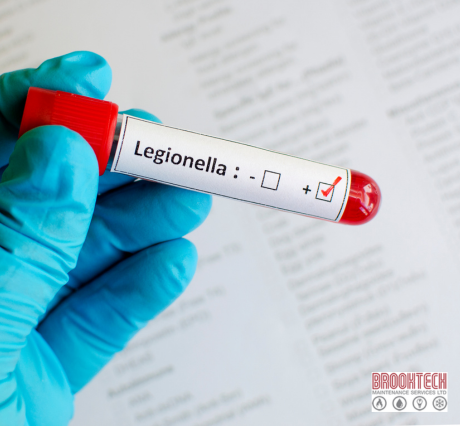
Water safety is critical within residential care environments. Legionella bacteria poses serious risk to elderly or immunocompromised residents.
A comprehensive CQC inspection checklist must include:
- Legionella risk assessments
- Water temperature monitoring
- Tank inspections
- Flushing records
- Sampling schedules
Clear documentation demonstrates proactive management rather than reactive response.
5. Electrical Safety and Testing
Electrical systems deteriorate gradually. Loose wiring, overloaded circuits and ageing distribution boards increase fire risk.
Your inspection checklist should confirm:
- EICR certification
- PAT testing records
- Emergency lighting integration
- Evidence of remedial actions
Inspectors look for evidence that issues are resolved, not simply identified.
6. Air Conditioning and Ventilation
Ventilation affects infection control, comfort and air quality. Poor airflow increases condensation and discomfort.
Include within your CQC inspection checklist:
- Air conditioning servicing
- Filter replacement schedules
- Fan checks
- Ventilation performance testing
Good airflow supports both safety and wellbeing.
7. Window Frames and Building Fabric
Drafts, damaged seals and deteriorating frames impact heating efficiency and resident comfort. Inspectors may note visible disrepair.
Your CQC inspection checklist should cover:
- Window condition
- Door integrity
- External lighting
- Roofing and guttering condition
These details reflect overall management standards.
8. Plumbing and Sanitary Facilities
Blocked drains, leaking taps or poor water pressure affect hygiene standards. Residents rely on functioning facilities daily.
A strong CQC inspection checklist includes:
- Routine plumbing inspections
- Drain maintenance
- Hot water delivery checks
- Evidence of prompt repairs
Preventative care protects dignity and comfort.
9. Documentation and Reporting
Physical checks alone are not enough. Inspectors expect evidence.
Your CQC inspection checklist must include:
- Certificates
- Service records
- Maintenance schedules
- Risk assessments
- Evidence of remedial works
Without documentation, compliance becomes difficult to demonstrate.
10. Planned Maintenance Programme Integration
Perhaps the most important element of any CQC inspection checklist is structure. One-off checks are not sufficient. Inspectors expect ongoing management.
A Planned Maintenance Programme ensures:
- Tasks are scheduled
- Compliance dates are tracked
- Systems are serviced on time
- Documentation remains organised
This approach reduces risk, improves inspection confidence and shows that you take a serious and proactive approach to your residents’ well-being and comfort.
What Happens When Maintenance Falls Short?
When maintenance gaps appear during inspection, consequences may include:
- Improvement notices
- Increased scrutiny
- Reputation damage
- Stress for management teams
- Client and staff dis-satifaction
Most of these issues are avoidable with a clear CQC inspection checklist and consistent oversight.
Get Support With Your CQC Inspection Checklist
At Brooktech we support residential care homes across the North West with structured, multi-discipline maintenance services. Our engineers understand the regulatory pressures residential home managers face.
We provide:
- Fire door inspections and maintenance
- Emergency lighting and fire alarm testing
- Commercial gas servicing and boiler maintenance
- Electrical inspection and testing
- Legionella risk assessments and water hygiene support
- HVAC and ventilation servicing
- Planned Maintenance Programmes
- Installation and upgrades where required
Our coordinated approach ensures your CQC inspection checklist remains manageable and complete. We focus on clear reporting, organised documentation and minimal disruption to residents.
Care environments demand reliability, professionalism and compassion. Our team works respectfully within occupied premises and understands the importance of protecting vulnerable residents.
If you want confidence before your next inspection, contact us today to review your maintenance systems and strengthen your CQC inspection checklist.